Sino-European Freight Line: A Rail Bridge Connecting Continents

The China-Europe freight train has emerged as a significant artery for global trade, connecting the vast geographical distance between Asia and Europe. This robust rail network enables the seamless transportation of a wide array of goods, including from electronics and machinery to agricultural products and consumer goods.
The China-Europe freight train offers numerous strengths over traditional maritime shipping routes. {Firstly|First|, it provides a shorter transit time, reducing lead times and improving supply chain performance. Secondly, the rail network is better protected to disruptions such as port congestion or weather delays. Finally, the freight train promotes environmentally friendly transportation by minimizing carbon emissions compared to air or sea freight.
- the China-Europe freight train has become a platform for social interaction between China and Europe. The movement of goods and people along this rail route fosters understanding and strengthens ties between the two continents.
- Considering to the future, the China-Europe freight train is poised for continued development. Upgrades in infrastructure and technology are expected to further optimize its capabilities, solidifying its role as a vital component of global trade networks.
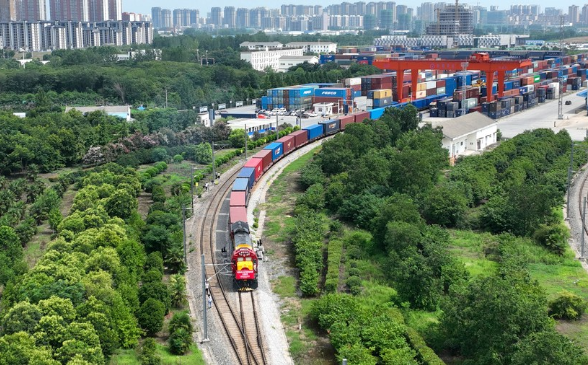
The rise of China-Europe Railway Express: Unlocking Trade Potential
The China-Europe Railway Express has emerged as a vital trade route, linking the economic powerhouses of China and Europe. This groundbreaking rail network offers a fast alternative to traditional maritime transport, drastically reducing transit times and optimizing global supply chains. The flourishing network spans thousands of kilometers, connecting major cities across Asia and Europe, fostering enhanced trade and capital flow.
- Moreover, the China-Europe Railway Express facilitates cultural exchange and tourism between the two continents.
- Consequently, this rail network has become a driver for economic growth and collaboration in Eurasia.
Looking ahead, the China-Europe Railway Express is poised to profoundly expand its reach, revealing even greater trade potential between China and Europe.

Faster, Greener, and More Efficient: The Future of China-Europe Rail Transport
The China-Europe rail transport corridor is poised for significant growth in the coming years. Driven by a strong demand for faster, more environmentally friendly trade routes, advancements in technology and infrastructure are clearing the way for an even interconnected future. This active corridor offers numerous advantages to both regions, including faster transit times, lower logistics costs, and a substantial reduction in carbon emissions compared to traditional air transport.
With ongoing commitments in high-speed rail networks, modernized facilities, and efficient logistics systems, the China-Europe rail corridor is steadily becoming a essential artery for global commerce. Moreover, this interdependence fosters cultural collaboration between Europe and Asia, contributing to a greater interconnected and thriving world.
A New Silk Road on Rails
Freight trains are rapidly connecting China and Europe through a sophisticated rail network, marking a new era in global trade. This initiative , often referred China to europe train to as the New Silk Road on Rails, is facilitating stronger economic ties between the two hemispheres. Numerous freight trains journey the expansive route each week, transporting a wide array of goods, from electronics and machinery to agricultural products and consumer goods.

The implementation of this rail network has many advantages . It minimizes transportation time and expenses , making it a significantly competitive option for businesses. Moreover, the New Silk Road on Rails promotes regional development and creates job opportunities along the route. The success of this rail network has the potential to significantly strengthen economic cooperation between China and Europe, shaping the global trade landscape for years to come.
China to Europe by Rail: A Logistics Revolution in Progress
The historical Silk Road has been reimagined for the modern age. With a burgeoning network of rail lines stretching from southern China to European destinations, transporting goods by rail is emerging as a viable alternative to shipping. This revolutionary shift in logistics is fueled by factors like shorter transit times, decreased carbon emissions compared to air freight, and the growing demand for faster and more sustainable global trade.
The benefits of rail transport are apparent in the rising popularity of this route among businesses. A growing number of companies are leveraging the efficiency of rail to move a diverse range of goods, from electronics and machinery to agricultural products and consumer products.
This dynamic landscape presents both challenges and opportunities for the future. Addressing issues like harmonized regulations across different countries and investment in infrastructure will be essential to fully realize the potential of this supply chain revolution.
Bridging East and West: The Impact of China-Europe Train Freight
The expansion of Eurasian train freight represents a significant evolution in global trade, catalyzing closer economic relations between the East and West. This innovative infrastructure, spanning thousands of kilometers, provides a cost-effective alternative to traditional maritime shipping routes, drastically reducing transit times.
The impact extends beyond solely facilitating trade. These rail routes foster cultural dialogue, stimulate regional development and create new opportunities for cooperation. Moreover, the environmental impacts of rail freight, with its lower carbon footprint compared to air or sea transport, make it a more responsible choice for global commerce.
- Reduced transit times
- Economic growth in participating regions
- Enhanced cultural exchange
- Lower carbon emissions compared to other modes of transport